



In underfloor heating systems, installation safety is just as important as overall performance. Many issues encountered on site do not emerge after the system is commissioned but during the installation process itself. Leakage at connection points, weaknesses caused by fittings, pipe damage during installation, or installation errors can all directly affect the long-term reliability of the system. Therefore, evaluating an underfloor heating system should involve more than heating capacity or energy efficiency—it should also include how safely the system can be installed.
This is especially important for contractors, installers, and project managers. Because underfloor heating operates beneath the floor, any connection failure is difficult and costly to repair after installation. Such failures not only increase maintenance costs but can also delay project delivery, reduce customer satisfaction, and damage project credibility. For this reason, leak-tight connections, continuous pipe installation, and resistance to physical damage have become the foundation of installation safety in modern underfloor heating systems.
This article explains why 100% leak-tight connection systems matter, how continuous pipe installation improves on-site performance, and how enhanced durability contributes to safer, more reliable projects.
Why Is Installation Safety So Important in Underfloor Heating?
Once installed, underfloor heating systems become inaccessible beneath the floor. Any installation error or weak connection point can develop into a much larger problem over time. Systems with numerous fittings or less reliable connection designs naturally present a higher risk of leakage.
A secure installation offers several key benefits:
Protects System Integrity
Proper installation helps maintain stable long-term performance.
Minimizes Leakage Risk
A leak-tight connection system eliminates one of the most critical failure risks.
Simplifies Site Operations
Installation teams can work more confidently with fewer unnecessary adjustments or repairs.
Increases Confidence After Project Completion
A reliable heating system strengthens customer trust in both the installer and the product.
Installation safety is therefore not only a technical concern but also an important quality indicator for investors, contractors, and end users.
Why Are Connection Points the Most Critical Part of an Underfloor Heating System?
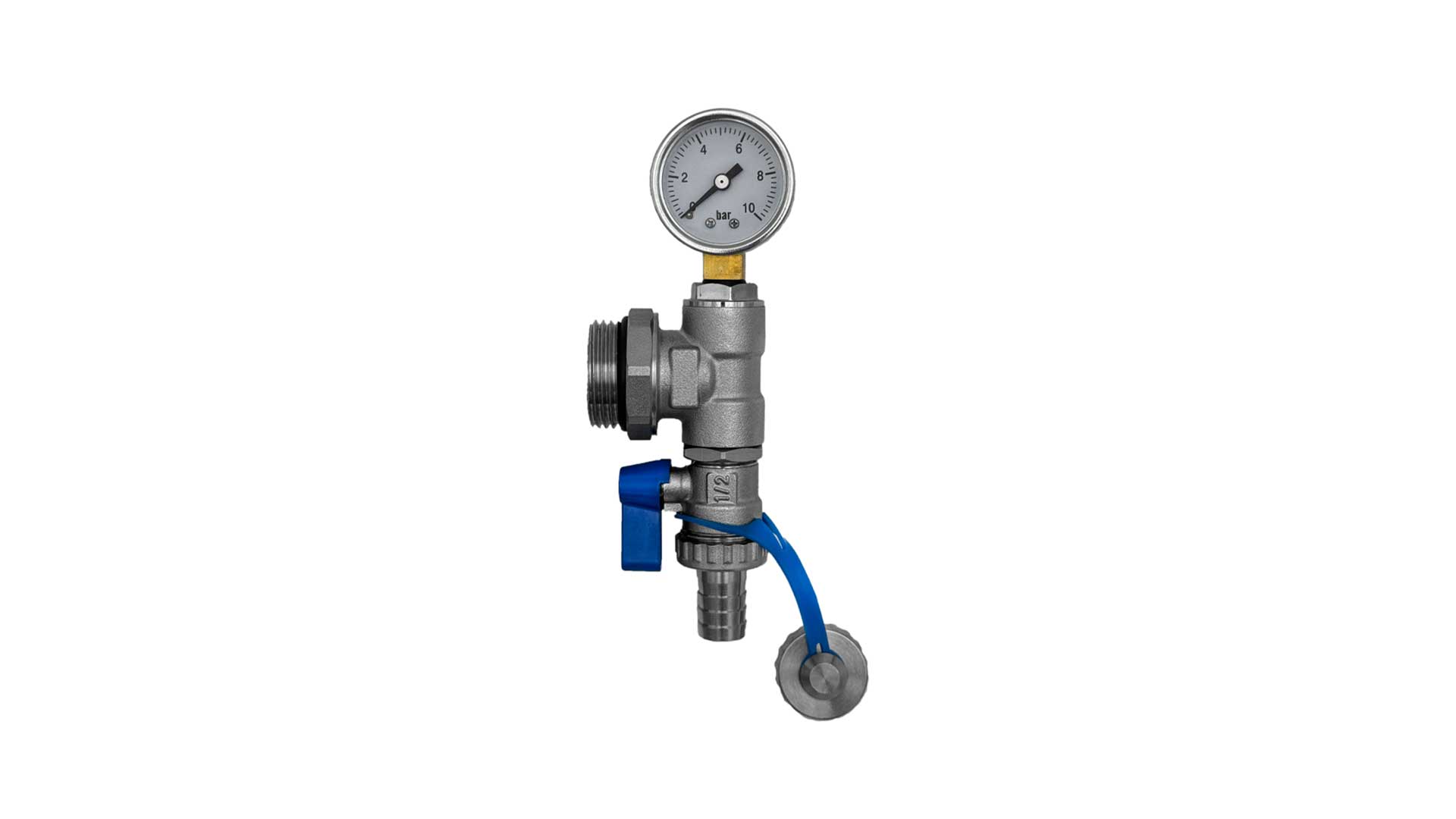
Connection points represent one of the most sensitive areas of any underfloor heating system. No matter how high the quality of the pipe itself, weak connections can compromise the entire installation. In conventional plastic systems, thermal expansion may affect connection performance, making it difficult to guarantee complete leak-tightness.
According to FloorFlex technical data and test reports, the system uses patented 100% leak-tight connection sleeves. This makes connection reliability an integral part of the system design rather than simply a product claim.
The result is:
- More secure connection performance
- Lower risk of post-installation leakage
- Greater confidence throughout installation
Connection technology is therefore not a secondary feature—it is central to overall system safety.
What Does a 100% Leak-Tight Connection System Provide?
Leak-tightness is fundamental to long-term underfloor heating performance. Even a minor leak beneath the floor can eventually create significant operational and financial problems. For this reason, leak-tightness must be achieved through engineering rather than marketing claims.
FloorFlex uses patented connection sleeves to create a 100% leak-tight system, delivering several advantages:
Greater Confidence During Installation
Installers can treat connection points as secure rather than high-risk areas.
Reduced Need for Future Maintenance
Lower risk of connection-related failures means fewer repairs after project completion.
Improved Long-Term System Stability
Reliable connections help maintain consistent performance throughout the entire heating network.
These advantages become increasingly valuable in large-scale projects, where every additional connection point represents another potential source of risk.
Why Does Continuous Pipe Installation Improve Safety?
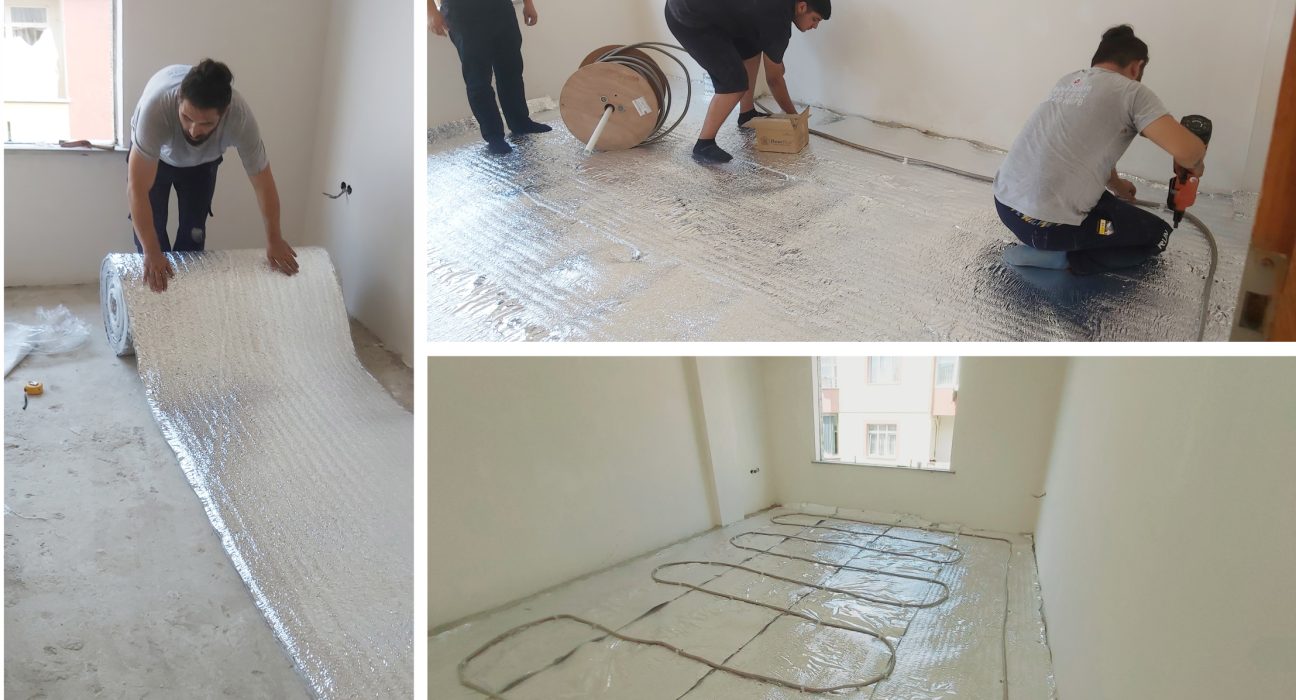
Another important factor influencing installation safety is the continuity of the pipe layout. Systems requiring numerous joints or short pipe sections increase both installation errors and material waste.
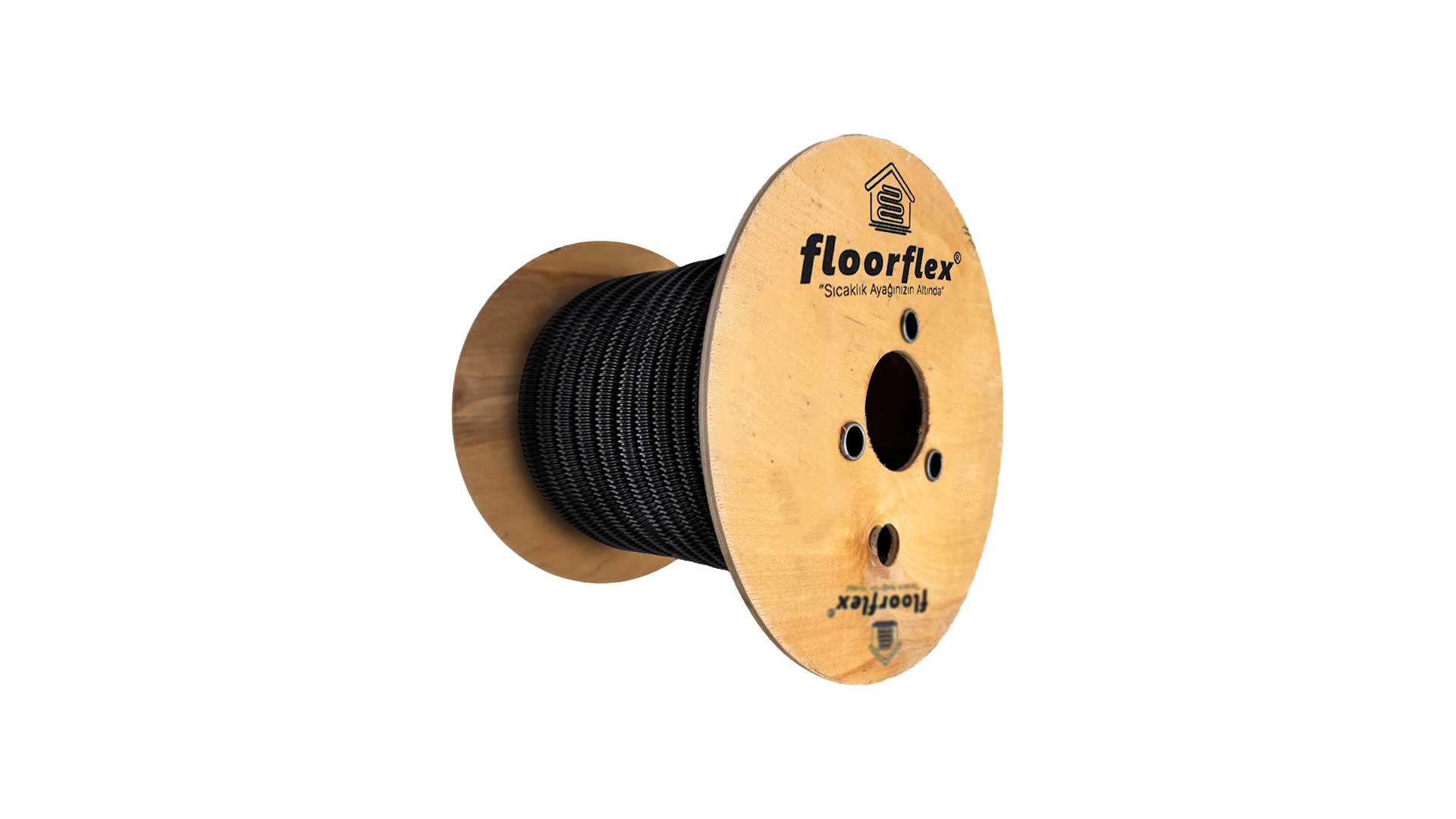
According to FloorFlex technical specifications, the system is available in 60 m, 250 m, 500 m, and 1000 m coils, allowing long continuous pipe runs.
This provides several on-site benefits:
Fewer Connection Points
Fewer joints mean fewer potential failure points.
Reduced Material Waste
Less cutting and fewer fittings minimize waste.
Simpler Installation
Continuous pipe layouts simplify site organization.
Improved Installation Quality
Uninterrupted pipe installation creates a stronger and more reliable system.
Rather than offering only convenience, continuous installation directly improves overall system safety.
Why Do Additional Fittings and Material Waste Increase Project Costs?
Installation safety and cost control are closely connected. As the number of pipe connections increases, technical risks rise together with labor requirements and material consumption.
Systems requiring numerous short sections typically involve:
- More connection points
- More material waste
- Higher scrap rates
- Longer installation times
By contrast, systems using long continuous coils offer better control over both installation quality and project costs. Choosing the right system therefore means evaluating not only durability but also which solution minimizes waste throughout the project.
Why Is Physical Durability During Installation Important?
Underfloor heating pipes are exposed to demanding conditions during installation. They are transported, positioned, and handled in busy construction environments where multiple trades work simultaneously.
According to the technical data, FloorFlex stainless steel flexible pipes offer a very low risk of crushing, puncturing, or accidental damage during installation.
This provides several important benefits:
Safer Installation Conditions
Installers can work with greater confidence.
Reduced Need for Extra Protection
The system requires fewer additional protective measures during installation.
Lower Rework Costs
Damage-related repairs and replacements become significantly less likely.
Some systems require extreme care during installation, increasing both stress and project duration. A more durable solution makes the installation process faster and more predictable.
What Does Installation Safety Mean for Contractors and Installers?
Although installation safety may appear to be a technical issue, in practice it directly affects project delivery and installer productivity.
Reliable systems provide:
Better Project Planning
Installation becomes more predictable.
Lower Delivery Risk
Reliable systems reduce the likelihood of post-installation problems.
Stronger Customer Confidence
Installers are more likely to choose systems that consistently perform well.
Better Cost Control
Lower material waste, reduced damage, and fewer connection-related issues improve overall project economics.
Installation safety therefore provides a competitive advantage for everyone involved in the project.
What Should You Look for in a Safe Underfloor Heating System?
When evaluating installation safety, consider the following questions:
- Does the system use advanced connection technology?
- Does it support long continuous pipe runs?
- Is the pipe resistant to crushing and physical damage?
- Does it minimize material waste during installation?
Systems that provide clear answers to these questions offer significantly higher installation reliability.
Conclusion: Installation Safety Is the Hidden Advantage in Underfloor Heating
Installation safety begins long before the heating system is put into operation. Patented 100% leak-tight connection sleeves, continuous installation using 60 m, 250 m, 500 m, and 1000 m coils, and high resistance to installation damage all contribute to a more reliable underfloor heating system.
These advantages not only reduce leakage risk but also minimize material waste, simplify installation, and improve overall project management. A high-quality underfloor heating system should deliver confidence not only during operation but also throughout installation.
Ultimately, selecting the right system begins with the details that remain hidden beneath the floor—because those details determine the long-term quality of the entire project.
Let’s Evaluate the Safest Installation Solution for Your Project
If you would like to learn more about FloorFlex solutions featuring leak-tight connections, continuous pipe installation, and outstanding durability, contact us today.
Together, we can identify the most suitable underfloor heating system for your project.
info@floorflex.com.tr